
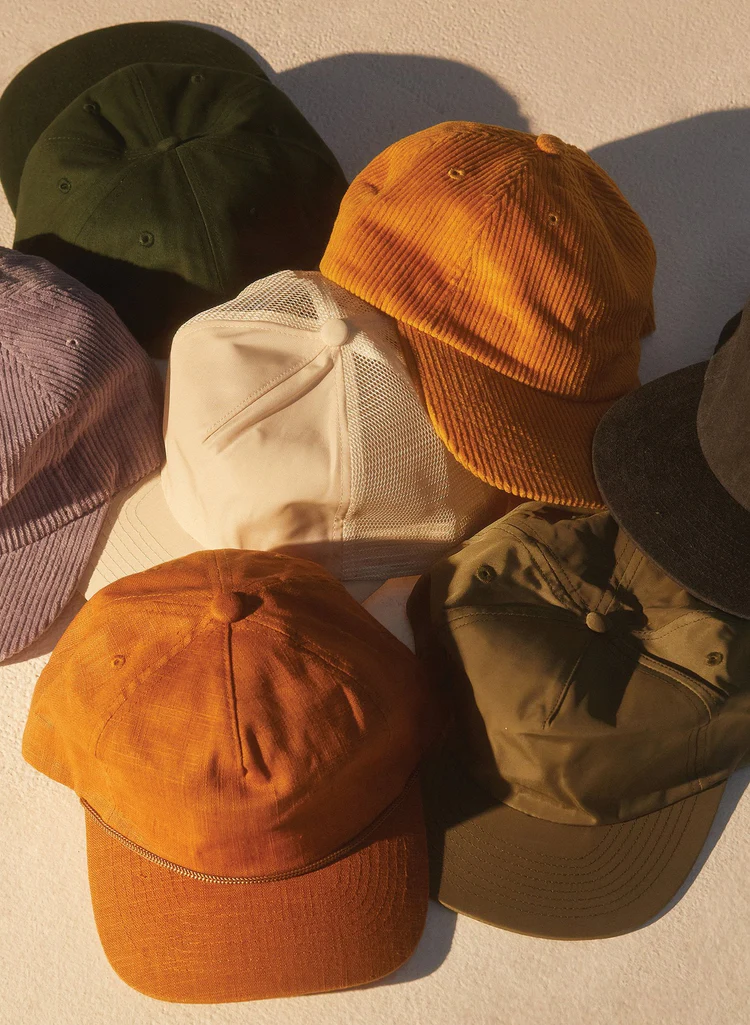
The best branded merch does not look like branded merch. It looks like something a person would buy for themselves, which is exactly why they keep wearing it.
That line between fashion and company swag keeps getting thinner. In the second quarter of this year, a New York Knicks cap was ranked the hottest fashion product in the world on the Lyst Index, ahead of Chanel, Gucci and Issey Miyake. Team merch beat luxury.
If you are planning a merch order, a company store refresh or a new hire kit, these are the branded merch design trends worth building around in 2026.
1. The Logo Got Smaller
Fashion editors have a name for the current approach to branding: Logomania 2.0. As nss magazine describes it, the logo did not disappear. It got smaller and moved to accessories, linings and details.
For company merch, this is the most important design shift you can make. A 12-inch chest print gets worn to the gym, maybe. A small tonal logo on a sleeve, a woven label at the hem, or an embroidered mark on the back of a cap gets worn everywhere.
How to apply it:
- Try tone-on-tone embroidery instead of a contrasting print.
- Put your full logo inside, on a printed neck label or lining, and use a simple mark outside.
- Use your icon or monogram, not your full wordmark.
This applies to every program, from event swag to employee welcome kits: the logo should support the piece, not be the piece.
2. Caps Are the Safest Bet in Merch
The Knicks cap was not a one-off. Lyst's Q2 report found that sport is now a primary fashion discovery engine, with athlete tunnel fits and fan content introducing brands to new audiences. Shoppers are buying the aesthetic, not just the label.
L.E.K. Consulting's 2026 Brand Heat Index points the same way, with outdoor and athletic brands scoring highest with US consumers aged 14 to 55.
How to apply it: A well-made cap is one of the few merch items that works for nearly every age group and style. Invest in structure, fabric and closure. A six-panel cap with a clean embroidered mark and a metal buckle feels completely different from a thin foam trucker.
3. Heritage and Archive Marks Are Back
After nearly a year of research on Gen Z and millennial parents, Carter's launched its first major rebrand in 26 years, with a new logo drawn from its original 19th-century script. Its archive became its future.
Pinterest's fall 2026 trend data, reported by WWD, showed archive streetwear searches up 157%.
How to apply it: If your company has any history, dig into it. An old logo, a founding-year mark, or a retired mascot can become a limited "archive" capsule. The consumer electronics show IFA Berlin did exactly this, reviving a 1970s mascot as a streetwear capsule. It costs nothing in new creative and signals authenticity to younger audiences.
4. Texture, Knitwear and Handmade Details
Fall 2026 runways leaned into knit accessories and an outdoorsy "touch grass" mood, according to W Magazine. Beanies, scarves and wraps were everywhere.
At the same time, craft is booming. Pinterest reported crochet upcycle searches up 523%. People want things that look and feel made, not mass-produced.
How to apply it:
- Add a knit beanie or scarf to your fall and winter merch lineup.
- Use chenille patches, chain-stitch embroidery or woven labels for texture.
- Choose heavier-weight fabrics. The hand feel of a garment is often what decides whether it gets worn.
This lines up with holiday demand too. PwC found 78% of Gen Z want screen-free gifts this year. Tactile merch fits the moment. See more in our guide to employee holiday gift ideas.
5. Collectibles Beat One-Off Giveaways
Collecting has become one of the strongest mechanics in merch. At Disney's D23, Pandora sold out every exclusive with a mystery box of five charms, one of them a secret. Pudgy Penguins launched blind-box collectibles across 330 Kung Fu Tea stores. Crocs' first Yu-Gi-Oh! collection included a collectible card only with in-person purchases.
How to apply it: Design merch as a series, not a single item. (For using collectibles at events specifically, see our trade show giveaway ideas.) A set of enamel pins released quarterly, a patch for each company milestone, or a limited colorway of your team hoodie each year gives people a reason to collect and a reason to care.
6. Personalization Is Expected
Personalization showed up everywhere this year, from custom-etched tumblers in the Emmys Giving Suite to festival stations where Etsy let fans personalize clothes from their own closets.
How to apply it: Add names or initials to drinkware and notebooks in gift kits. At events, let people build their own item with patches or pins. A personalized piece is almost never thrown away.
7. Color Is Warming Up
After several seasons of quiet luxury and muted neutrals, fashion is swinging back toward personality. Trendalytics' read on New York Fashion Week Spring/Summer 2027 described a turn toward drama and self-expression, set against a warm earth-tone palette of almond, camel and chocolate.
How to apply it: Warm neutrals are an easy upgrade from the default black, navy and heather gray. A camel crewneck or chocolate cap with a tonal logo looks current and pairs with almost anything. If your brand colors are bright, use them as an accent, on a patch, a zipper pull or an inside label, rather than as the base color of the whole piece.
What to Avoid in 2026
- Giant front logos on everything. Save bold graphics for one statement piece, if any.
- Thin, boxy blanks. Fabric weight and fit are the first things people notice.
- Too many SKUs. A long catalog spreads budget thin and leaves you with leftover inventory.
- Trend-chasing without a brand reason. A trend only works on your merch if it fits who you are.
Fewer, Better Pieces Tie It All Together
Every trend above points to the same conclusion: people keep merch that feels like a real product. Live event data from atVenu shows the top three items drive 63% of merch sales, so a short lineup of excellent pieces is the smart design choice as well as the smart budget one. We make the budget case in our post on swag budgets.
How to Build a 2026 Merch Lineup
A simple starting point for most companies:
- One hero piece of apparel: a heavyweight hoodie or crewneck with a small tonal logo.
- One cap: structured, well-finished, with a clean mark.
- One seasonal item: a knit beanie for fall and winter, or a quality tote for spring.
- One collectible or personal element: an enamel pin series, a patch set, or personalized drinkware.
If you are working on a collaboration with another brand, see our guide to brand collaboration merch on a small company budget. If you are building a company store, our post on running a company swag store covers the drop model.
The Takeaway
The branded merch design trends for 2026 all reward restraint and quality. Smaller logos, better caps, a nod to your history, real texture, collectible series and a personal touch. Get those right, and your merch stops looking like swag and starts looking like something people chose.
Ready to design your next merch lineup? Talk to the Maisonette team.