
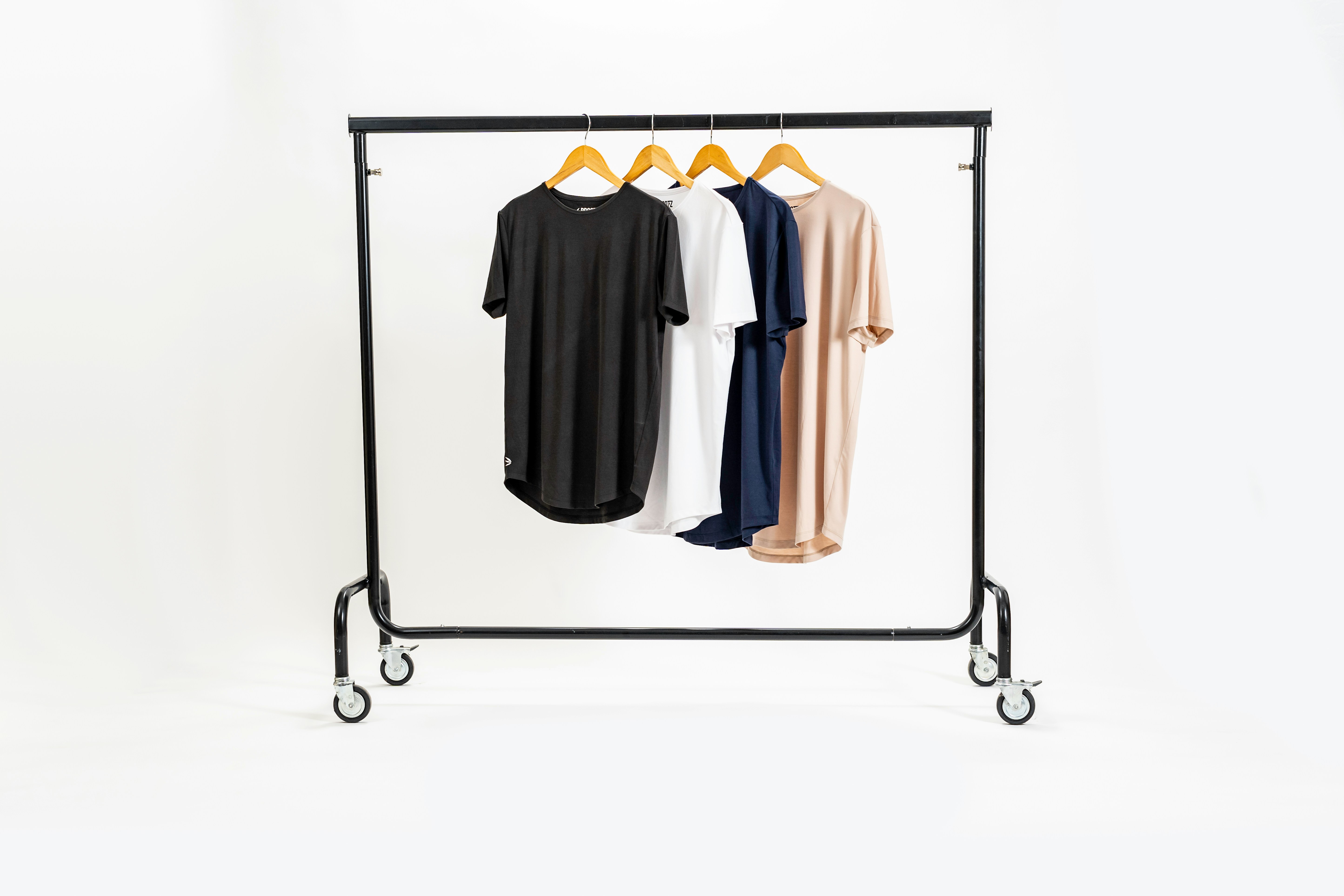
Most swag budget conversations are really unit-count conversations. Someone has 500 people to cover and a number to stay under, so the spec gets worked backwards from the division. That is how a program ends up with 500 items nobody wanted.
Two pieces of 2026 research make the case for running the math in the other direction.
Apparel Is the Most Loyalty-Dense Category There Is
Provoke Insights surveyed 1,500 US adults for its Summer 2026 consumer trends study and scored 15 industries on a brand loyalty index. Apparel came first at 20%, ahead of alcohol at 13% and electronics at 11%. Furniture and luxury sat at the bottom at negative 14%.
Branded merch lives inside the single category where people form the strongest attachments to brands. That is an unusually good starting position, and it is squandered by ordering the cheapest available blank.
Quality Is Not a Nice-to-Have, It Is the Mechanism
The same study found quality is the top driver of loyalty at 50%, well ahead of value at 31%. Then the number that should reframe every spec sheet: declining product quality is the number one reason consumers abandon a brand outright, at 45%.
Cheap merch does not produce a neutral result. It produces a small negative one, attached to your logo, in someone's hands. You are not saving money on a bad tee. You are paying to distribute a bad impression.
Discounting Your Way Out Is No Longer an Option
Circana's July 2026 read showed US discretionary general merchandise dollars down 4.3% and units down 3.9%, with the firm noting that broad discounts alone are generating less incremental demand. People will not be discounted into wanting something.
They will queue for something they cannot get elsewhere. When the Chicago White Sox ran a papal-style hat giveaway this month, demand forced an expansion from 2,500 units to the full 40,000-seat stadium and the free hats resold at $50 to $100 within days. Nothing about that was a function of unit cost.
A Budget Framework That Holds Up
- Start from impressions kept, not people covered. One item worn for two years beats forty worn once. Ask what the cost per month of wear is, not the cost per unit.
- Cut the list before you cut the spec. Halving the recipient list and doubling the quality almost always outperforms the reverse.
- Reserve a tier. Keep one item that cannot be bought and has to be earned. Scarcity costs nothing and does more than any discount.
- Kill the filler line. Pens, stress toys, and thin unisex tees exist to fill a table. If the item would not survive with the logo removed, the logo will not save it.
How to Defend It Internally
Attentive's 2026 loyalty research found 88% of shoppers bought from a brand new to them in the past three months, while 77% regularly buy from five brands or fewer. Trial is easy now. Staying in the consideration set is the hard part, and a physical object someone chooses to keep is one of the few things that holds a position there.
That is the argument to bring to finance, and it pairs well with the broader corporate merch strategy framework.