
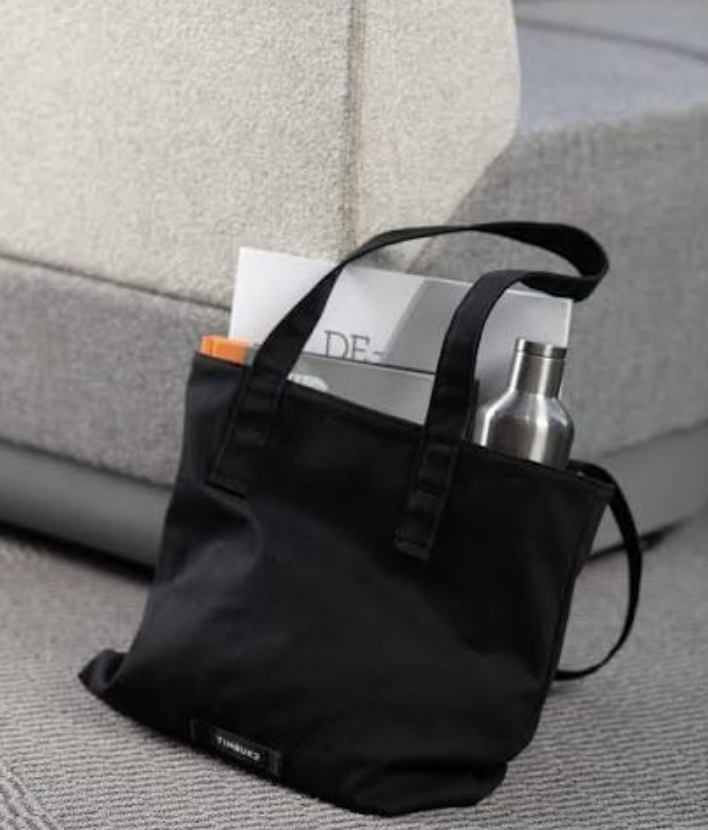
Branded merch is one of the few marketing channels where the performance data outruns the reputation. ASI's 2026 ad impressions research puts brand recall for promotional products at 85%, with CPMs around a tenth of a cent for a tote bag, and 76% of recipients saying they are more likely to do business with the brand.
Despite that, most corporate merch strategy amounts to a catalog, a logo, and a purchase order. The gap between what merch can do and what it usually does is almost entirely a planning problem.
Start With Moments, Not Products
The single most useful shift is to stop planning a catalog and start planning a calendar. Nike's drop model, built on short release windows tied to cultural moments, consistently outperforms year-round assortments, and the logic transfers directly to corporate programs.
Map the moments that already exist in your business: new hire start dates, work anniversaries, funding announcements, product launches, conferences, and contract signings. Each is an occasion with built-in relevance. Merch attached to a moment gets remembered. Merch attached to nothing gets stored.
Quality Is Not a Preference, It Is the Mechanism
PPAI's survey of more than 5,000 US consumers found 83% feel appreciated when receiving a promotional product and 90% report improved brand perception. The top reasons items get discarded are low durability, poor design, and irrelevance.
That means quality is not an upgrade you buy when budget allows. It is the thing that determines whether the impression happens at all. A cheap item does not produce a smaller result, it produces no result and a small amount of quiet damage.
Fewer People, Better Items
A brand that cut its event swag budget 30% and redirected it into personalized sustainable gifts saw post-event social mentions rise roughly 400%. Coors Light spent around $150,000 on a single well-conceived branded item and generated 672 million impressions.
Both outcomes come from the same principle. Merch does not scale linearly with units. It scales with whether anyone cares. Concentration beats coverage in almost every program we see.
Build Measurement Into the Item
The complaint that merch cannot be measured is now mostly a design failure. MetLife attached a QR code to a year-end gift for 45,000 employees, tied to a verifiable rainforest protection commitment, and turned a gift into a tracked engagement. Dell required an opt-in before handing over a personalized bottle and converted 1,355 giveaways into 1,355 leads.
Decide the metric before you decide the product. Opt-ins, scans, redemption rate, social mentions, and pipeline influence are all available if the mechanic is built in from the start.
The Sustainability Argument Is Now Quantified
A joint PPAI and ASI carbon study certified under ISO 14067 found promotional products generate about 0.7g CO2e per memorized impression, roughly eight times less than digital advertising. Sustainable merch is no longer only an ethics conversation, it is a credible efficiency argument in a budget meeting.
Plan Around a Tighter Market
The supply side has changed. Tariffs and margin pressure are the dominant pressures on the promotional products industry, with rising costs cited by a majority of suppliers and distributors. Lead times and pricing are less forgiving than they were two years ago.
Practically, that means committing to a calendar earlier, consolidating volume into fewer and larger runs, and treating a last-minute rush order as a strategic failure rather than a routine cost. Efficiency, not access, is the current differentiator.
A Simple Planning Framework
- Moment. What occasion is this for, and would it exist without merch?
- Audience. Who specifically receives it, and what do they already own?
- Standard. Would this item survive without the logo on it?
- Mechanic. How will you know it worked?
- Afterlife. Where does this live in six months?
Programs that answer all five tend to justify themselves. Programs that answer none tend to end up in a storage closet with a rebrand on the way.