
Most employee onboarding gifts get ordered the week before a start date and chosen to be inoffensive. That is why so many end up in a drawer by month two, and why the spend almost never shows up in a retention number anyone tracks.
The 2026 data makes a case for doing this deliberately. Gallup's State of the Global Workplace found engagement fell to 20% in 2025, the lowest reading since 2020, at an estimated cost of $10 trillion in lost productivity. The Achievers Workforce Institute put a sharper point on it: 34% of US workers intend to change jobs this year, and only 25% feel appreciated.
What Employee Onboarding Gifts Are Actually For
A welcome gift is not a perk. It is the first physical evidence a new hire has that the company they just joined pays attention to detail.
One of the twelve items Gallup uses to measure engagement is whether an employee received recognition or praise in the last seven days. Day one is the easiest week in someone's tenure to get that right, and the only week where a gift is expected rather than surprising.
The Retention Math
SHRM puts the cost of replacing one employee at 50% to 200% of annual salary. Against that, a considered onboarding gift in the $75 to $150 range is a rounding error. If the program helps keep two or three people a year, it has paid for itself several times over.
That framing matters when the budget request reaches finance. You are not asking for swag money. You are asking for a fraction of one replacement hire.
What to Send
- One excellent thing, not six adequate ones. Provoke Insights' 2026 consumer research found quality is the top driver of brand loyalty at 50%, and declining quality is the number one reason people abandon a brand at 45%. The same logic applies internally.
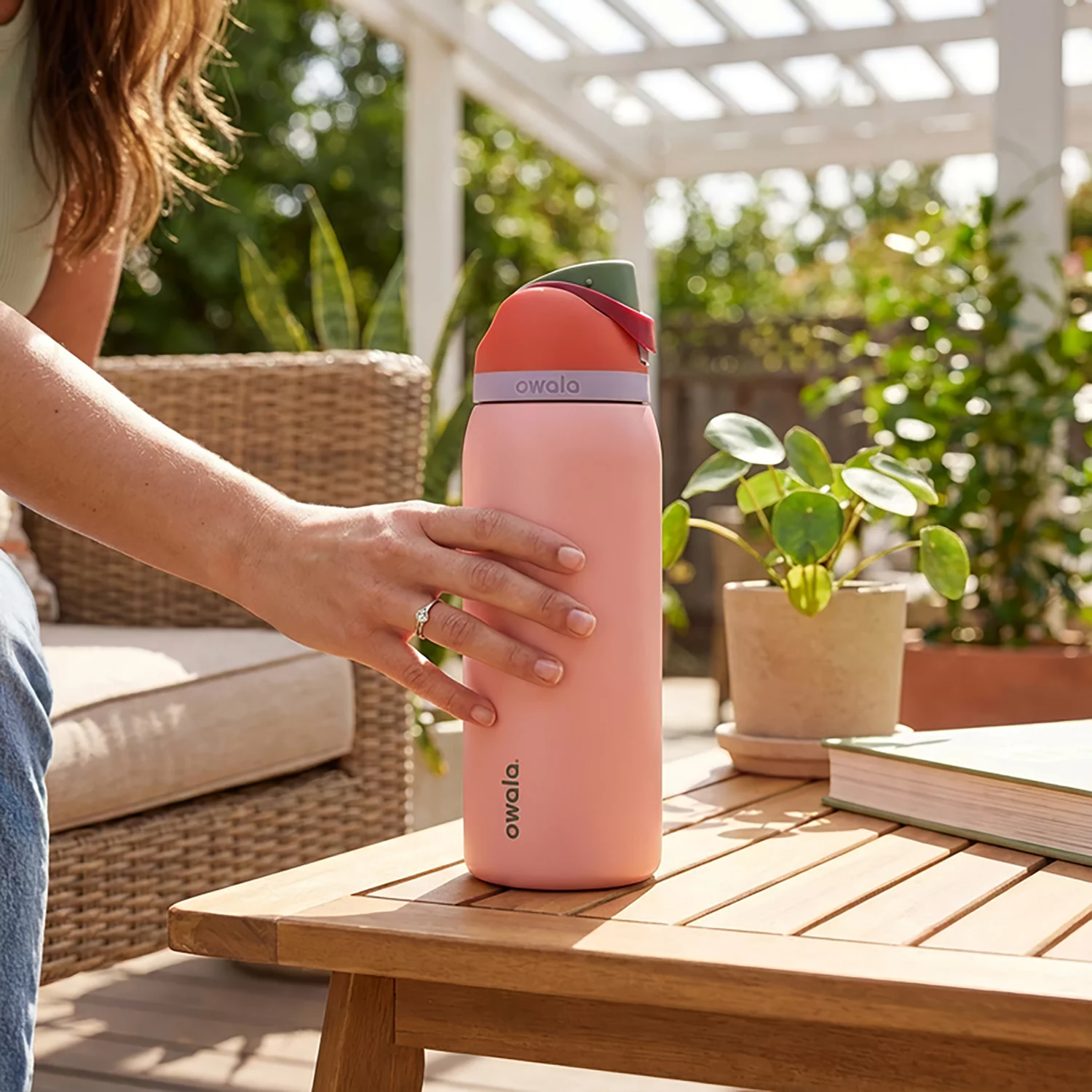
- Something they would own anyway. Roughly 70% of Gen Z collect tangible objects as identity markers. Apparel and drinkware they would pick up in a store will get used. A branded stress ball will not.
- A note with a name on it. Handwritten, from the manager rather than from the company. It costs nothing and it is the part people remember.
- Something that arrives before day one. A box waiting at home the Friday before is a different experience from a bag handed over at a desk.
What to Leave Out
Skip the kit of low-cost fillers. A branded pen, a notepad, a lanyard and a keychain do not add up to a gift. They add up to a supply drop with a logo on it. If you are covering the practical items anyway, keep them separate from the thing you want the person to keep. Our full employee welcome kit packing list goes deeper on that split.
Also skip anything sized. Guessing a new hire's shirt size before they start is a small and avoidable way to get a first impression wrong. Send a code and let them choose.
Build It Once, Then Leave It Alone
The programs that work are set up as a standing process rather than assembled per hire. One spec, one supplier, one trigger in the HR system. Once it runs itself, quality stops being a function of how busy the person placing the order happened to be that week.