
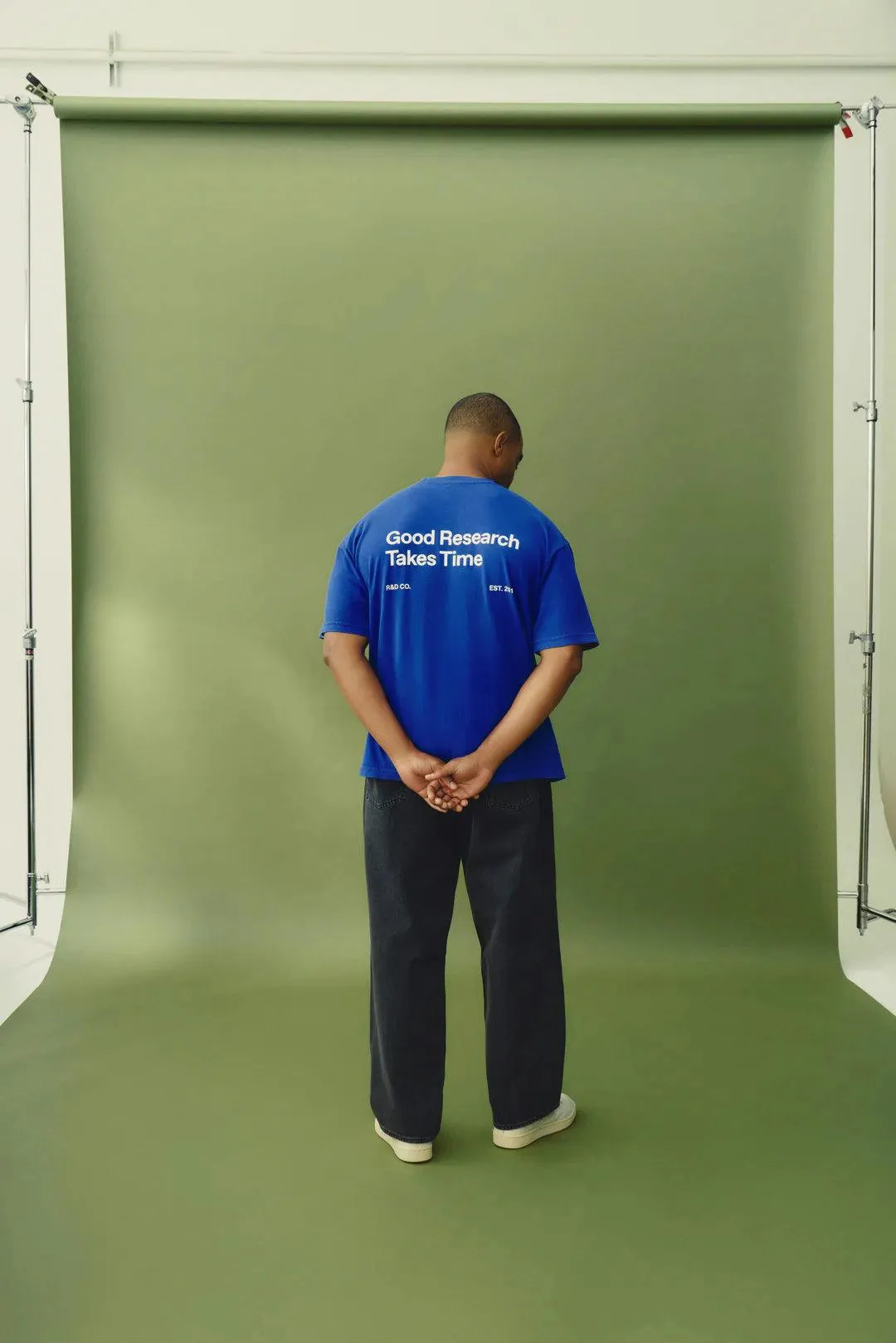
Tech merch stopped being a joke sometime around the point when OpenAI, Figma, Shopify, Palantir, and Nvidia all launched public merch lines. OpenAI's storefront opened with $15 caps, $40 tees, and a $175 half-zip, and the reception was mixed enough to be instructive.
The counterexample is worth more than the example. Anthropic ran pop-ups where people queued down the block in New York for a free thinking cap. A giveaway hat produced more community energy than a priced collection did.
The Rule for Startup Merch
Selling merch requires brand equity you have already earned. Giving merch away is how you earn it. If nobody outside your company knows who you are yet, a storefront is a vanity project and a hoodie in the right hands is a marketing channel.
At under 50 people, your entire merch strategy can be one sentence: make one excellent thing, put it on the right shoulders, and let scarcity do the rest.
Make One Thing, Not a Catalog
The temptation is to open a store with eleven products. Resist it. Small order volumes across many SKUs means bad pricing on all of them, and a catalog nobody chose from because there was too much to choose.
Pick one hero item. For most startups that is outerwear or a heavyweight hoodie, because it is the item people wear in public and on camera. Spend the whole budget on making that one thing genuinely good.
The Test That Saves You Money
Would someone wear this if the logo were not on it? PPAI research found the top reasons branded items get discarded are low durability, poor design, and irrelevance. A startup cannot absorb that waste, and a cheap item actively signals something about how you build products.
One well-cut hoodie at $80 will be worn for years. Five $16 tees will be pajamas by spring.
Where Startup Merch Actually Pays Off
- Onboarding. A welcome kit on day one sets a tone nothing else does, and research links onboarding swag to substantially higher first-year retention.
- Recruiting. Merch that candidates want is a quiet signal about culture, and it costs less than most sourcing tools.
- Design partners and early customers. The people who took a chance on you early should have something that marks it.
- Investors and advisors. Small volume, high visibility, worn in rooms you are not in.
- Conferences. One good item at a booth outperforms a table of pens by a wide margin.
Use Scarcity Instead of Inventory
You do not have a warehouse and you should not want one. Run limited drops, produce to order, and keep numbers deliberately low. Limited runs tied to a moment consistently outperform standing catalogs, and for a startup the moment is easy to find: a launch, a funding round, a first anniversary, a hundredth customer.
Scarcity also protects you from the rebrand problem. Every early-stage company changes its logo, and small runs mean you never eat that cost.
Put It on the Right Shoulders
Distribution matters more than volume at this stage. A hundred hoodies handed out at random do less than thirty placed with people your future customers already watch: early users with an audience, respected engineers, operators who post, and the customers other companies ask for references.
This is essentially seeding, and the numbers behind it are strong in consumer categories, where creator seeding programs regularly see a large share of recipients post organically at CPMs far below paid media. The B2B version is quieter but works on the same logic.
When to Consider Selling
Sell merch when people start asking to buy it. Until then, every unit is better deployed as a gift, because the person wearing it is worth more to you than the margin. If a customer emails asking where they can get the hoodie, that is the signal, and the drop model handles it without a storefront.